Podcast Episode 2: A $110B Merger, Apple's VFX Deal, Snap Specs Business Under Pressure, $70K Projectors, Balcony Solar

In Episode 2, I review and react to five LA tech stories: Skydance's acquisition of Warner Bros., Apple Studios' new agreement with VFX workers, investor pressure on Snap's Specs business, the Epson projectors powering DATALAND in Downtown LA, and California balcony solar.
Links and Sources


 IATSE Communications
 Mengqi Sun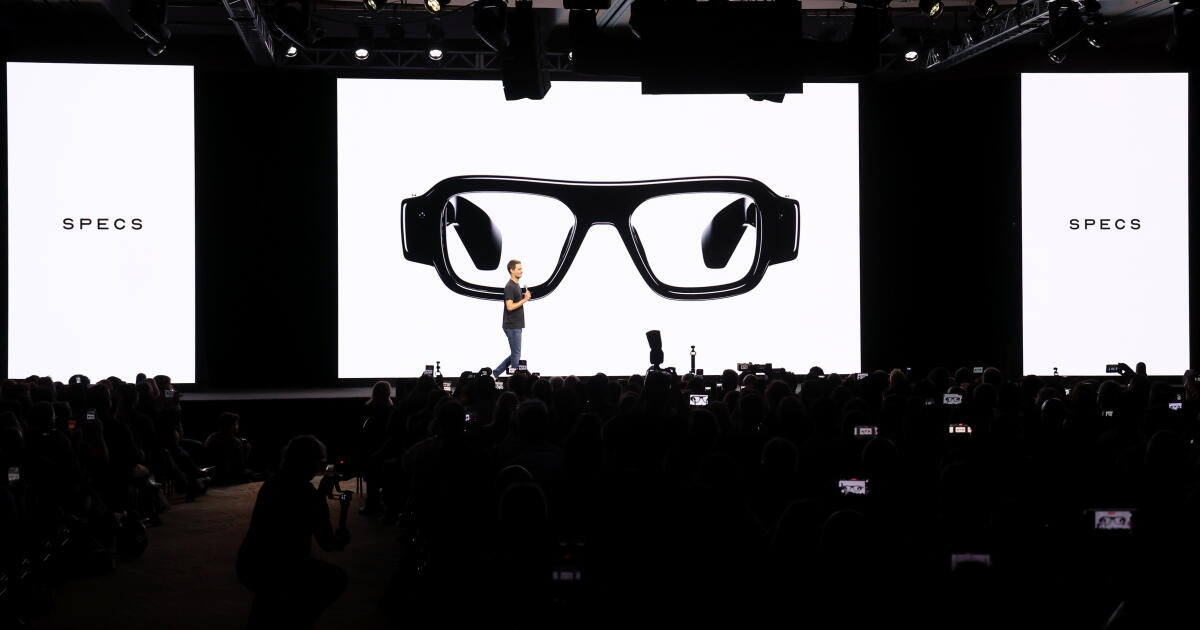
 Epson US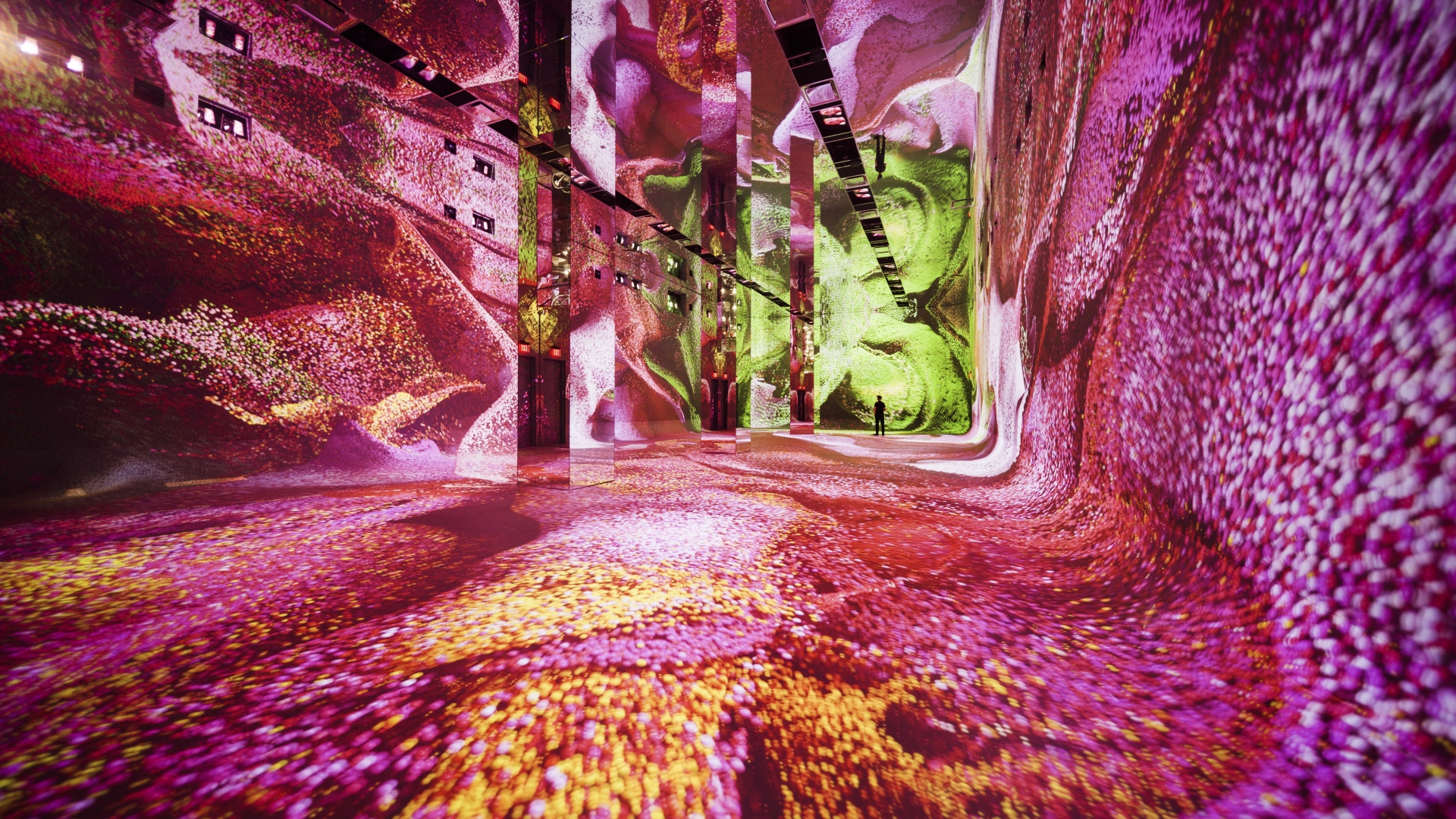
 Laura Klivans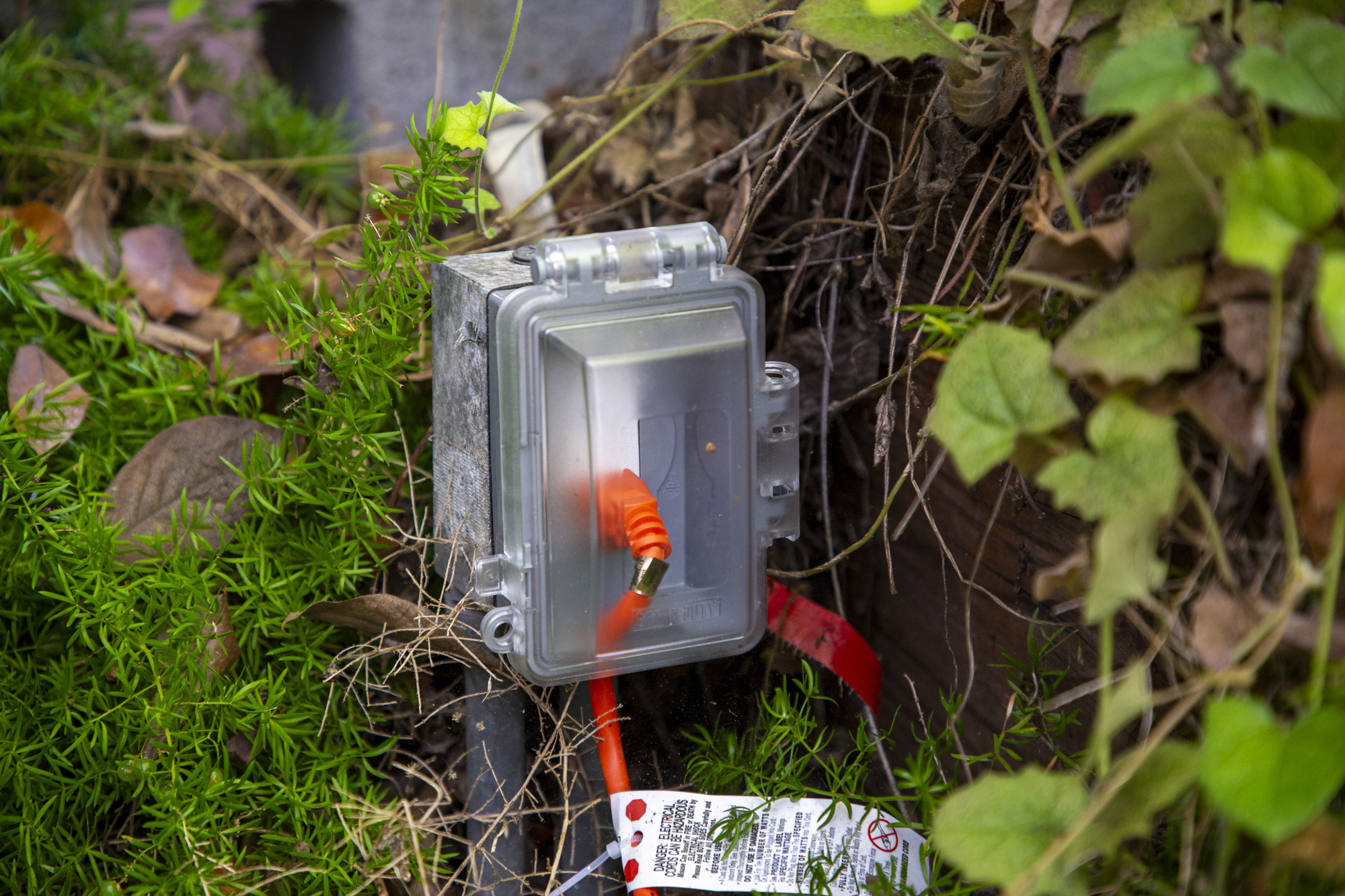
Transcript
Episode Two
[00:00:00]
It's episode two of the podcast. I'm your host, Darren Alfonso. Today, we've got a roundup of interesting LA tech stories. Let's get started.
First up, Skydance completed its acquisition of Warner Brothers. This thing has gone through a lot of starts and stops. Netflix originally was supposed to buy Warner Brothers for $82.7 billion. Then Skydance comes in, hostile takeover bid. They bid $108.7 billion The board's waffling, then they, they say, "All right, $110 billion." The board approves. Then you got states challenging it. I guess that all gets resolved, and so it finally, it, it closes. Uh, CEO David Ellison reconfirmed in a press event that Paramount Plus and HBO Max will merge.
Now, I [00:01:00] use Paramount Plus for they've got UFC events on there, so I like that. They've got really good '90s era kids shows. I watch those with my son. HBO Max, uh, to me it's a little overhyped. A lot of people say that's the best streaming service. I disagree. And I think it's important to remember that these are essen- I mean, these are entertainment products, but they're also software, and there are, uh, engineers that are based in LA, software engineers that are working on this stuff.
And there's already hints at, uh, cost savings and, and all that, so I'm wishing everybody luck. Um, but I think, there's, there's interesting engineering problems here. You've got, uh, mi- migrations, uh, are always tough. You know, where are the, where's the content gonna live? Um, subscriptions. You got accounts that you need to move over. You got engineers learning about each code base. Uh, and then an interesting question is always, "Hey, which, which code [00:02:00] base survives?" Right? Paramount Plus has, uh, I mean, they're the acquirer, right? So they've got the incumbent advantage, but HBO Max has double the, the subscriptions, 140 million subscribers for HBO Max, 80, 81 for Paramount Plus
Casey Bloys, who runs HBO Max, he's gonna run both HBO Max and Paramount Plus. So at least for now, it, it, it's leaning on HBO Max as the code base that's, that's gonna survive. Now, like any engineer, I love, uh, naming things. I love naming variables, branding. Uh, I'm interested, like a lot of people on social media are, on what they choose for the name.
Actually, I haven't seen re- uh, really a l- a lot of funny ones. Internet, you need to, uh, do a little bit better, uh, with coming up with, with funny names. If I had to say, I, I would probably say that they stick with, with HBO Max [00:03:00] and just fold everything into that, let that be the streaming brand.
Next up, the VFX artists at Apple Studios have signed a collective bargaining agreement with Apple Studios. And in their, and in the press release from their, their union, IATSE, uh, it says that the agreement sets new standards for wages, healthcare, retirement benefits, working hours, artificial intelligence, and workplace safety.
Congratulations to them. What was interesting on this story was that I looked up the, the VFX union, and they actually, they just unionized in 2023, and the first discussions were in 2012, so it took them 11 years, it's a relatively new union. And in twen- May of 2025, they signed a collective bargaining agreement with Marvel and Disney. [00:04:00] And, you know, I had read some stuff, uh, a while back about Marvel overworking their VFX artists, so I think it's great that, uh, that, that field seems to be improving
Next up, as a bit of a follow-up from, from episode one, the LA Times broke the story that Alex Beinfeld, chief investment officer at Blue Duck Capital Partners, wants Snap to raise capital by selling a stake in the Specs business. He's got a good quote here. "Neglecting to take the actions outlined here at this juncture would result in more of the same: a deeply depressed share value which limits strategic optionality, hurts employee morale and retention, and lowers the chances of reaching ambitious objectives for what Specs can be."
Sounds like Alex listened to episode one. Shout out to him if he's listening. Uh, I think he's, he's trying to [00:05:00] fund the contact lenses that I talked about, uh, in all seriousness, in this same article, Irenic, Irenic Capital Management they're, they're actually pushing for the company to spin off or shut down Specs, saying that it's, that the comp- that Snap's ex- uh, invested three and a half billion in the business and that it should be self-funded by now.
It's hard to argue with them . Snap's been going at this for a while, and it seems like they're throwing good money after bad
All right, next up, courtesy of Epson, we've got this story. Headline is, "Powering Dataland: Epson Projection Helps Bring the World's First Museum of AI Arts to Life." Uh, in a past life, I actually worked with Epson folks, uh, while I was at Amazon. I don't know if any of them are still there, but they were a pleasure to work with, so I have a soft spot in my heart for, for [00:06:00] Epson. Uh, Dataland is in downtown LA, and Epson's American HQ is in Los Alamitos, which is actually in Orange County.
Dataland describes itself as the world's first museum of AI arts and digital ecosystem dedicated to data visualization and AI-based creativity. Okay. In this story, it talks about that the museum is powered by 84 Epson EB-PQ2220B projectors. , Side note, Sony and Epson, they need to get together and, and work on their, their product naming. But 84 of these projectors, and I looked up how much each projector is worth, and one of these projectors is $70,000 retail simple math, 70,000 times 84, you get about $6 million worth of, of projectors in this museum.
, Another [00:07:00] interesting one, 200 miles of cable in this, in this museum. 200 miles, if you're driving at highway speeds, that's, that's a three-hour drive. A, a lot of technical work went into this, into this museum.
Yeah, I'm gonna... An AI museum I d- I don't, uh, you know, I don't think I'm gonna be, I'm gonna be going there. Uh, I hope it does well. I, I looked at tickets. Tickets are $49 and up No, thanks.
Last story we've got from, from KQED California legalized balcony solar, starting in 2027, it legalized balcony solar. And I think this is great, great for renters who would never even consider doing solar because they don't have-- you know, they can't install panels on the roof. It's California, right? We just-- Solar's just gotta [00:08:00] be all over the place.
I saw one of these systems for pre-order, and then it's I think $300 or something with a subscription or maybe, yeah, going up to 500 if you don't want the subscription. So very approachable. I don't know what installation looks like or, or would be, but I think it's, it's great we should be using more solar. Uh, but secretly I think that this is just a way to offset all the ChatGPT usage what they should do is they should just-- the, your ChatGPT usage, uh, corresponds with how big your solar panel is that you've gotta put out on your, on your balcony All right, y'all. That's, that's the end of the episode. These always end up being, you know, I'm writing two pages full of, full of content, and these episodes end up being 10 minutes. Hit me up if you've got something that you want me to cover. [00:09:00] Otherwise, have a good one.